
Microfiber vs. Cotton Cleaning Tools | Betty's Best
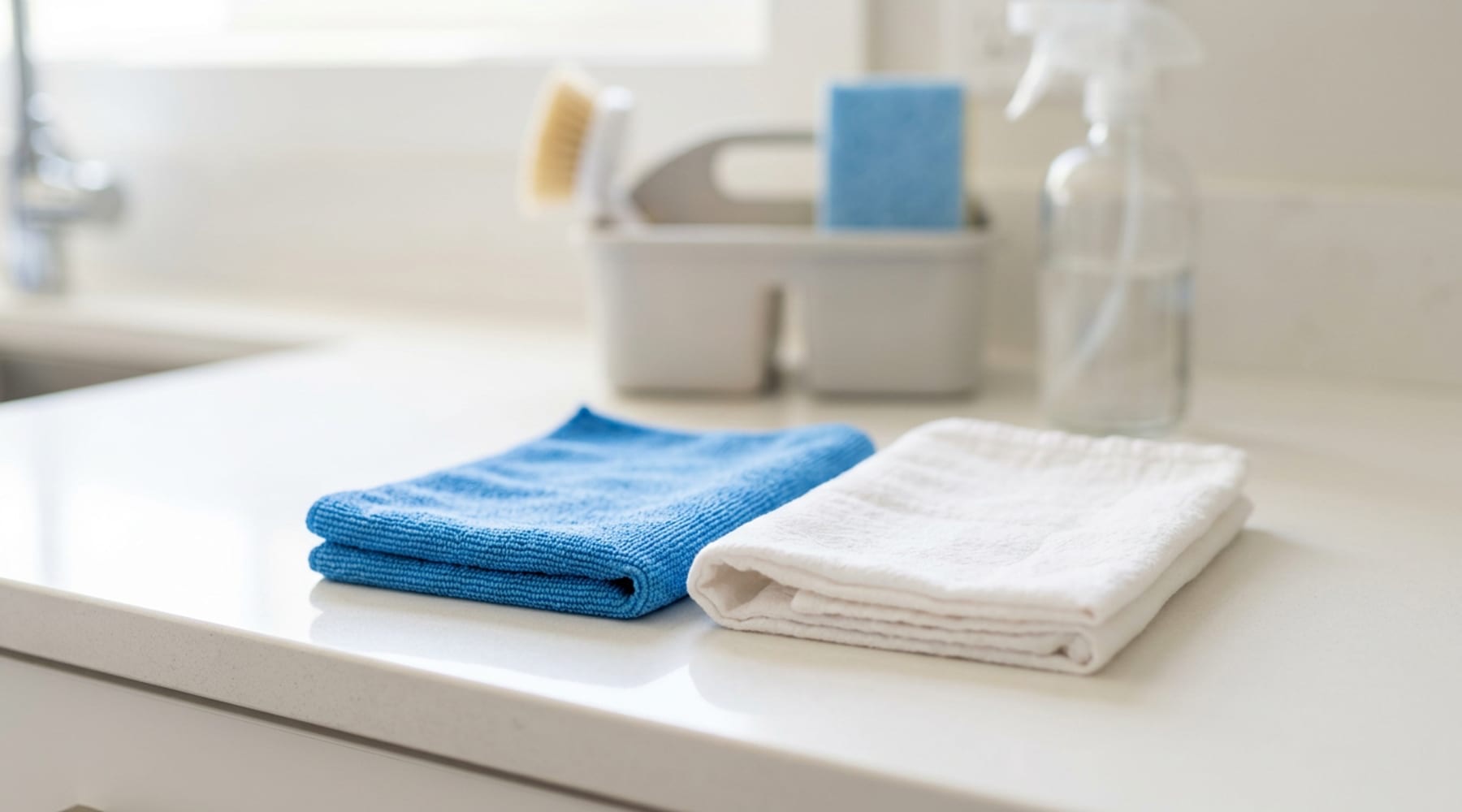
Microfiber vs. Cotton: Which Cleaning Tool Wins?
Hello there, neighbor! If you are anything like us, you have likely stood in the cleaning aisle of your local Comox Valley store, staring at shelves packed with every imaginable cloth, sponge, and pad. On one side, you have the classic, trusty cotton rags your grandmother swore by. On the other side, you have the sleek, modern microfiber cloths that seem to have taken over the cleaning world by storm. It is enough to make anyone scratch their head and wonder which one actually deserves a spot in their cleaning caddy.
Here at Betty’s Best Cleaning, we test cleaning tools every single day across homes throughout Courtenay, Comox, and Cumberland. We know that every home has its own unique personality, and what works wonders in a busy family kitchen might not be the right fit for polishing a vintage wooden dresser. That is why we wanted to sit down, grab a cup of coffee, and chat through the great debate of microfiber versus cotton. We are going to look at how each material performs across everyday household tasks, from dusting bookshelves to tackling bathroom tile, so you can decide which tool truly wins for your lifestyle.
The Contenders: Understanding Your Cleaning Cloths
Before we pit them against each other in the cleaning ring, let us take a quick look at what makes these two materials tick. Understanding how they are made helps explain why they behave so differently when they come into contact with dust, water, and grease.
The Classic Appeal of Cotton
Cotton has been a household staple for generations, and for good reason. It is a natural fiber harvested from the cotton plant, making it wonderfully familiar, breathable, and soft to the touch. When you use an old cotton t-shirt or a traditional flour sack towel, you are relying on a material that has proven its worth over centuries. Cotton is naturally absorbent, highly durable when exposed to high heat, and comforting in its simplicity. It feels good to hold, and there is something deeply satisfying about tossing a stack of crisp cotton rags into the laundry basket.
The Modern Science of Microfiber
Microfiber, on the other hand, is a synthetic marvel usually made from a blend of polyester and polyamide. If you look at a single strand of microfiber under a microscope, you will see that it is split into tiny, microscopic fibers that look like miniature stars or hooks. This clever construction gives microfiber an enormous surface area. Instead of just pushing dirt around like a traditional smooth fiber might, those tiny hooks act like a microscopic magnet, trapping dust, oils, and moisture deep within the fabric weave.
Dusting and Dry Wiping: The Battle for Dust Control
Dust is the bane of any homeowner's existence. No matter how often you wipe down your coffee table or entertainment center, it seems to settle right back down before the day is even done. How your cloth handles dry dust makes a world of difference in how frequently you have to pick up the cleaning caddy.
How Microfiber Handles Dust
When it comes to dry dusting, microfiber is an absolute powerhouse. Because of its synthetic composition and split-fiber design, it generates a small electrostatic charge when rubbed against surfaces. This charge actively pulls dust particles out of the air and locks them into the cloth rather than just launching them into the atmosphere to settle elsewhere. If you have ever wiped down a dusty bookshelf with a microfiber cloth and noticed how the dust clings to it like magic, you have witnessed this science in action. It makes quick work of baseboards, blinds, and picture frames.
How Cotton Handles Dust
Cotton can certainly pick up dust, but it lacks that electrostatic attraction. A dry cotton cloth tends to push loose dust particles around unless it is slightly dampened. If you use a completely dry cotton rag on a dusty surface, you might find yourself leaving a thin haze behind because the smooth fibers simply roll over the particles rather than gripping them. However, if you prefer a natural approach and do not mind dampening your cloth slightly with a bit of water or a gentle surface spray, cotton can get the job done just fine.
Wiping Spills and Liquids: Absorbency Showdown
Life happens. Whether it is a glass of apple juice tipped over by a toddler or a splash of morning coffee on the counter, you need a tool that can soak up liquid in a hurry. This is where the competition gets really interesting.
The Superior Absorbency of Cotton
When it comes to sheer volume and heavy-duty liquid absorption, cotton is a true champion. Natural cotton fibers are hollow, allowing them to drink up large amounts of water, milk, or juice almost instantly. A thick cotton dish towel or terry cloth can hold a surprising amount of liquid, making it our go-to choice when someone yells that a drink has been spilled across the kitchen floor. Cotton also feels heavy and substantial in your hand when it is wet, giving you a satisfying sense of control during a messy cleanup.
Microfiber and Moisture Management
Microfiber is also absorbent, but it behaves differently. Because its fibers are tightly packed, high-quality microfiber can hold up to seven times its weight in water. However, cheap microfiber can sometimes push liquids across a smooth surface rather than absorbing them right away, especially if the cloth is brand new and hasn't been washed yet. Once broken in, microfiber is fantastic for wiping down wet sinks or drying counters because it leaves surfaces nearly dry to the touch, but for a sudden, gushing spill, a thick cotton towel is often faster and more reliable.
Tackling Glass and Mirrors: Achieving a Streak-Free Shine
There are few cleaning frustrations quite like spending ten minutes polishing a living room mirror or a front entryway window, only to step back and realize it is covered in annoying streaks and lint fuzz.
Why Microfiber Wins for Glass
If you want a crystal-clear, streak-free window without reaching for harsh chemical sprays, fine-weave microfiber glass cloths are your best friend. Because microfiber traps oils and residues so effectively, it can clean glass using nothing more than a little bit of plain water. Furthermore, because the fibers are tightly locked into the weave, microfiber leaves zero lint behind. Your glass surfaces will sparkle in the natural Comox Valley sunlight without any frustrating smudges.
The Challenge with Cotton on Glass
Cotton is notorious for leaving behind tiny lint fibers on glass and mirrors. Even the highest-quality cotton dish towels shed microscopic strands when they rub against smooth surfaces. If you use cotton on your windows, you will likely need to follow up with a crumpled piece of newspaper or a specialized paper product to buff away the lint and streaks. For sparkling glass, microfiber is the undisputed winner.
Kitchen Cleanups: Grease, Counters, and Appliances
The kitchen is the heart of the home, which also means it is ground zero for grease splatter, sticky syrup, and stubborn food crumbs. Keeping your kitchen hygienic and inviting requires a versatile cleaning partner.
Microfiber in the Kitchen
Microfiber excels at cutting through grease on stovetops and stainless steel appliances without needing heavy-duty chemical degreasers. The tiny wedge-shaped fibers slide underneath grease molecules and lift them away from the surface. A damp microfiber cloth can leave your stainless steel fridge gleaming in seconds. However, you do need to be careful: if your microfiber cloth picks up a stray food particle or a tiny pebble from the counter, it can scratch delicate surfaces if you scrub too hard.
Cotton in the Kitchen
Cotton shines in the kitchen when you are handling hot items or wiping down heavy messes. Cotton dishcloths have a bit more texture and friction, which makes them wonderful for scrubbing away dried-on pasta sauce or egg yolk from a countertop. They are also heat-resistant, meaning you can pull a hot baking sheet out of the oven with a folded cotton towel without worrying about melting synthetic fibers. When things get truly chaotic in the kitchen, having a sturdy cotton cloth nearby feels safe and reliable.
Bathroom Maintenance: Soap Scum and Moisture
Bathrooms require tools that can handle high humidity, soap residue, and constant moisture without holding onto unpleasant odors.
How Microfiber Performs in the Bathroom
Microfiber is brilliant for wiping down bathroom vanities, faucets, and shower glass. Because it dries quickly, it does not provide a comfortable breeding ground for mildew and musty smells as long as you hang it up to dry after use. A waffle-weave microfiber cloth is particularly good at grabbing soap scum off porcelain tubs when paired with your favorite gentle bathroom cleaner.
How Cotton Performs in the Bathroom
Cotton can handle bathroom wiping just as well, but it tends to hold onto moisture for much longer than synthetic materials. If you leave a damp cotton cloth balled up on the edge of the sink, you will likely notice a sour smell by the end of the day. If you choose to use cotton in the bathroom, make sure to toss it directly into the laundry hamper or hang it up flat to dry immediately after your cleaning session is finished.
Durability and Care: Making Your Tools Last
Investing in cleaning tools means taking care of them so they can take care of your home. Both materials have very different requirements when it comes to washing and drying.
Caring for Cotton
Cotton is wonderfully forgiving. You can wash cotton rags in hot water, bleach them if they are white, and toss them into a high-heat dryer cycle without a second thought. They grow softer with every wash and can withstand years of heavy use before finally fraying at the edges. If you love a low-maintenance routine where you just throw everything into the washing machine on maximum heat, cotton is your best friend.
Caring for Microfiber
Microfiber requires a little bit of special attention to keep its microscopic hooks working properly. If you wash microfiber in hot water, use fabric softener, or dry it on high heat, the tiny fibers will melt or clog up with waxy residue, rendering the cloth useless. To make your microfiber last for hundreds of washes, wash it in cool or warm water with a mild detergent, skip the fabric softener entirely, and either air dry it or tumble dry on low heat. Treat your microfiber well, and it will reward you with years of streak-free cleaning power.
A Quick Comparison Guide
To help you sort through your options when building your cleaning caddy, here is a quick summary of how microfiber and cotton stack up side by side:
- Dry Dusting: Microfiber wins with its electrostatic charge that traps dust securely. Cotton tends to push dust around unless slightly dampened.
- Liquid Spills: Cotton wins for heavy-duty, fast-acting absorbency. Microfiber absorbs well once broken in, but cotton handles large volumes faster.
- Glass and Mirrors: Microfiber wins hands down for a lint-free, streak-free sparkle using only water. Cotton frequently leaves behind frustrating lint fibers.
- Kitchen Grease: Microfiber wins for lifting oils and polishing stainless steel. Cotton wins for scrubbing dried food and handling hot items.
- Washing and Maintenance: Cotton wins for sheer ease and high-heat laundering. Microfiber requires gentle washing without softeners to preserve its synthetic fibers.
The Balanced Verdict: Which One Actually Wins?
So, which cleaning tool actually wins the crown? The truth is that there is no single winner because the best cleaning kit uses the strengths of both materials.
Microfiber is the ultimate champion for tasks that require precision, efficiency, and a pristine finish. If you are dusting your living room, polishing mirrors, wiping down electronics, or making your stainless steel appliances shine, microfiber is the clear victor. It saves you time, reduces the need for chemical sprays, and traps dirt brilliantly.
At the same time, cotton remains an indispensable workhorse for everyday household life. When you have a massive liquid spill on the floor, a scorching hot dish to pull from the oven, or a crusty mess on the stove that needs some serious elbow grease, a traditional cotton towel or rag is practical, comfortable, and reliable.
Here at Betty’s Best Cleaning, our professional cleaners carry both in our caddies. We use microfiber for high-visibility surfaces and dusting perfection, and we keep cotton close by for heavy-duty kitchen and utility tasks. By combining them, you get the best of both worlds.
Choose the Right Tool and Reclaim Your Day
Maintaining a clean, serene home in the Comox Valley should feel empowering, not overwhelming. Whether you are wiping down counters with a soft cotton cloth or polishing your windows with high-grade microfiber, having the right tools makes all the difference in how much you enjoy your space.
Of course, even with the best cloths in the world, finding the time to tackle a deep clean can sometimes feel like an uphill battle. When your to-do list is overflowing and you would rather spend your weekend exploring our gorgeous local trails or relaxing with family, remember that you do not have to do it all alone. We are always here to help you keep your home feeling like a true sanctuary.
Ready to enjoy a sparkling clean home without lifting a finger? Visit our website today to check out our simple online booking platform and discover how easy it is to schedule your next cleaning service with Betty’s Best Cleaning. Let us handle the dust and grime, so you can get back to enjoying your life in the beautiful Comox Valley!